




In the vast and luminous galaxy of Sufi mysticism and Tasawwuf in the Indian subcontinent, few luminaries shine as brightly and eternally as Sultan-ul-Hind, Khwaja Ghorib-e-Newaz Hazrat Khwaja Moinuddin Chishti (R.). Crossing boundaries of race, religion, and creed,
1. Sultan-ul-Hind Hazrat Khwaja Moinuddin Chishti Ghorib-e-Newaz (R.)
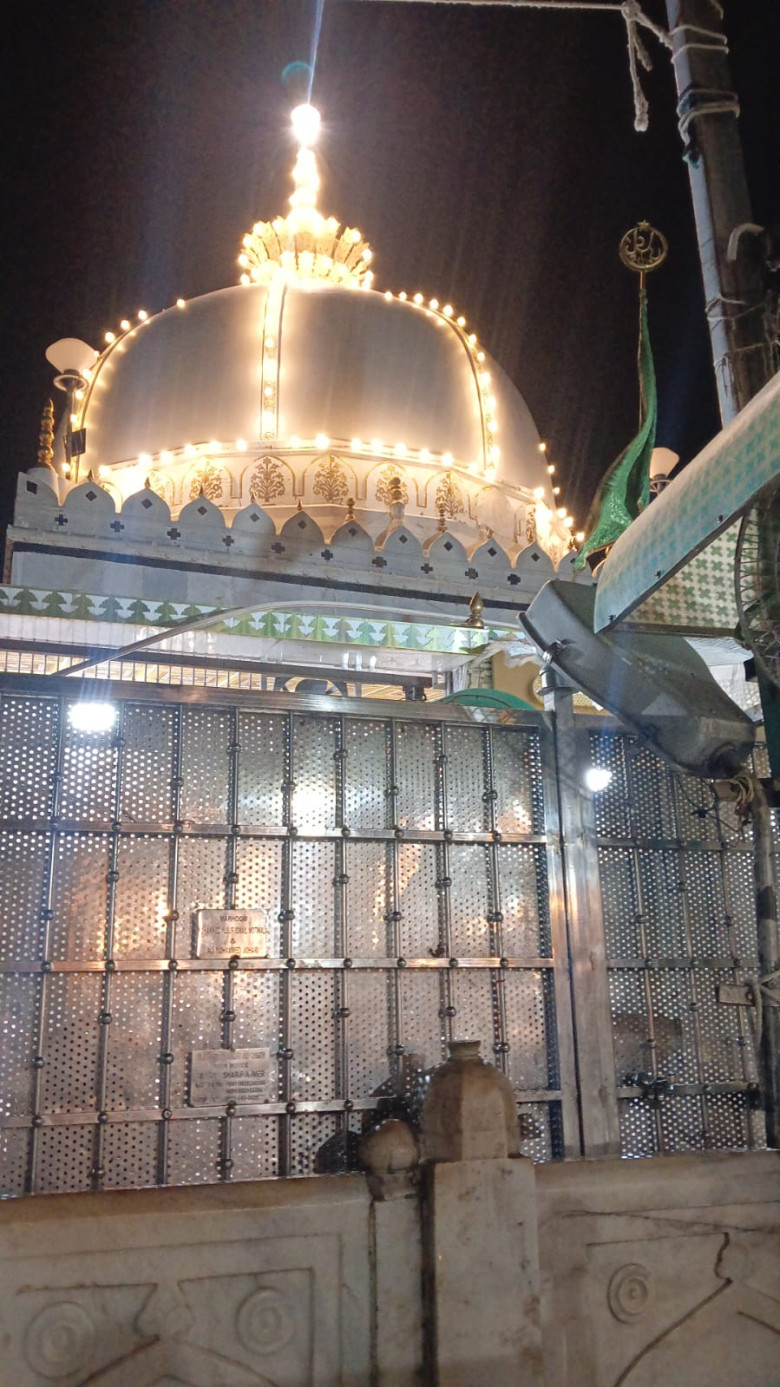
The Ocean of Spirituality and the Embodiment of Divine Love: Sultan-ul-Hind Hazrat Khwaja Moinuddin Chishti Ghorib-e-Newaz (R.) 🌹✨🕊️
In the vast and luminous galaxy of Sufi mysticism and Tasawwuf in the Indian subcontinent, few luminaries shine as brightly and eternally as Sultan-ul-Hind, Khwaja Ghorib-e-Newaz Hazrat Khwaja Moinuddin Chishti (R.). Crossing boundaries of race, religion, and creed, he ignited the flame of divine love in millions of hearts, carving out a legendary chapter in human history. His sacred Dargah, nestled in the historic city of Ajmer, continues to pull countless seekers, lovers, and pilgrims into its profound sanctuary of peace.
1. Lineage, Birth, and Early Years: The Awakening of a Noble Soul 🌟👶
Hazrat Khwaja Moinuddin Chishti (R.) was born in 1714 (though some historical accounts trace it earlier) in Sanjar, a town near Sistan in eastern Persia. His sacred lineage traces directly back to the Ahl al-Bayt (the noble household of the Holy Prophet Muhammad (PBUH)) through both his mother and father. His father, Hazrat Khwaja Ghiyasuddin Hasan (R.), was a pious and God-fearing man, while his mother, Bibi Mayesa Noor, came from a deeply spiritual family.
Even in his early childhood, Moinuddin stood apart from his peers. The fleeting illusions, material luxuries, and transient joys of the secular world held no sway over his heart. From a tender age, he found profound solace in seclusion, deep reflection, and the remembrance of Allah. Following the early demise of his parents, he inherited an orchard and a water mill, which provided him with a simple livelihood, yet his mind remained anchored in the divine realm.
2. The Turning Point: Meeting Ibrahim Qandozi and Renouncing the World 🍃✨
The true spiritual awakening of his youth occurred when a renowned Majzoob (divine ecstatic), Hazrat Ibrahim Qandozi (R.), visited young Moinuddin’s orchard. Eager to host and serve the holy man, Moinuddin offered him grapes. Pleased with his devotion, the dervish took a piece of sesame press-cake, chewed it, and placed it directly into Moinuddin’s mouth.
That single miraculous act tore away the veil of material consciousness. Instantly, the mundane world dissolved, and the fire of divine love (Ishq-e-Haqiqi) ignited within his core. Prompted by this inner transformation, he disposed of his property, distributed all his wealth among the poor and needy, and embarked on a lifelong journey in search of Truth and spiritual perfection.
3. Spiritual Odyssey Across the Islamic World: Seeking the Masters 🧭🌍
To drink deeply from the oceans of esoteric knowledge, Khwaja Moinuddin set out on an extensive pilgrimage across the cultural and spiritual capitals of the Islamic world. He traveled through the revered centers of learning, including Bukhara, Samarkand, Baghdad, Nishapur, Herat, and Tabriz. Along this arduous path, he sat at the feet of numerous great Sufi masters of his time, absorbing spiritual discipline, asceticism (Riyazat), and inner purification (Mujahada). He studied Islamic jurisprudence, prophetic traditions, and metaphysics under eminent scholars, ensuring that his mystical path remained deeply anchored in the Quran and the Sunnah.
4. Meeting the Master: Hazrat Khwaja Usman Haruni (R.) 🤲💎
The defining milestone of his mystical journey occurred in Harwan (near Nishapur, Iran), where he met the great pole of his era (Qutub-ul-Aqtab), Hazrat Khwaja Usman Haruni (R.). Recognizing the supreme spiritual capacity of the young seeker, Khwaja Usman Haruni (R.) accepted him into his inner fold as a disciple (Murid).
Khwaja Moinuddin spent over twenty years in the rigorous service and companionship of his master. He traveled alongside him across harsh terrains and deserts, fasting by day, standing in nocturnal vigil by night, and learning the subtle arts of heart-purification, self-effacement, and complete submission to the Divine Will. Impressed by his ultimate dedication, Khwaja Usman Haruni (R.) eventually bestowed upon him the mantle of succession (Khilafah) and prayed for his spiritual elevation.
5. The Divine Call and Arrival in India 🕌🛤️
Following instructions received through spiritual visions and the blessings of his master, Khwaja Moinuddin Chishti (R.) set out for Hindustan (India) toward the end of the 12th century, accompanied by a small band of devoted dervishes. Traversing through Lahore and Delhi, he ultimately settled in the arid yet spiritually destined land of Ajmer, Rajasthan.
At that time, Ajmer was ruled by the powerful Hindu king Prithviraj Chauhan, and the social and religious atmosphere was deeply stratified and hostile to Islamic propagation. Yet, Khwaja Moinuddin brought no sword or political ambition; his only weapons were deep humility, uncompromising moral character, unconditional love for humanity, and continuous devotion to Allah. Without coercion or force, his radiant presence began drawing common people from all walks of life toward the path of truth, equity, and spiritual awakening.
6. The Title of 'Ghorib-e-Newaz': Protector and Helper of the Poor 🤝❤️
Why is Khwaja Moinuddin revered across the globe as 'Ghorib-e-Newaz' (The Benefactor of the Poor)? Because his doors, heart, and table were perpetually open to the destitute, the brokenhearted, the orphan, and the outcast, making no distinction between the mighty king and the lowest peasant.
He taught that the highest form of devotion to God is the service of suffering humanity (Khidmat-e-Khalq). He routinely fed the hungry, clothed the naked, comforted the afflicted, and treated every human soul as a reflection of divine creation. His boundless compassion and radical generosity earned him the eternal title of Ghorib-e-Newaz—the one who shelters and cherishes the impoverished and the weak.
7. Core Teachings and the Philosophy of the Chishti Order
The Chishti Order (Chishtiyya), established firmly in India by Khwaja Sahib, emphasized principles that transcended sectarian boundaries and spoke directly to the human soul:
Absolute Reliance on Allah (Tawakkul): Trusting completely in the Creator for sustenance and protection while refusing to hoard wealth or accumulation.
Unconditional Love and Tolerance: Embracing all humanity with open arms, recognizing that every heart is a sanctuary of the Divine.
Inner Purity and Detachment: Freeing the heart from malice, ego, pride, and greed.
The Power of Spiritual Music (Sama): Utilizing devotional poetry and spiritual melodies as a vehicle to elevate the soul and draw closer to the Divine Presence, provided it remains free from worldly distraction.
8. Passing into Eternity: The Eternal Sanctuary of Ajmer
After a lifetime spent spreading peace, piety, and the light of divine gnosis (Ma'rifah), Khwaja Moinuddin Chishti (R.) felt the calling of his Lord. In the month of Rajab in the year 1236 AD (633 Hijri), he retired to his cell in Ajmer, instructing his followers not to disturb him. For six days, he remained absorbed in intense inner communion with Allah. On the sixth day of Rajab, his physical soul departed to unite with the Beloved.
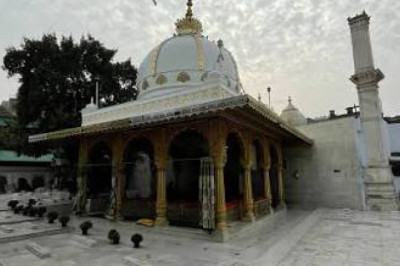
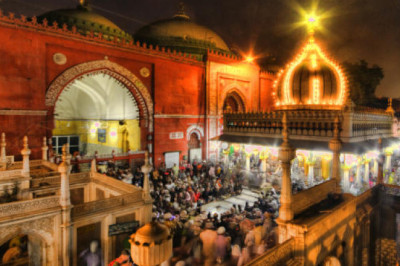
Today, his shrine—the world-renowned Ajmer Sharif Dargah—stands as an enduring lighthouse of hope. Millions of pilgrims—Muslims, Hindus, Sikhs, and Christians alike—walk through the towering Buland Darwaza to tie threads of hope, offer floral tributes (Chadar), and seek intercession and peace in the shadow of his eternal spiritual grace.
Conclusion:
Hazrat Khwaja Moinuddin Chishti Ghorib-e-Newaz (R.) is far more than a historical figure of the past; he remains a living institution of love, mercy, and human brotherhood. In today’s fractured world, dominated by materialism, isolation, and conflict, his timeless message of coexistence, empathy, and spiritual surrender offers a much-needed sanctuary for the wandering human soul.

![Data Ganj Bakhsh [ Hazrat Ali Hujwiri (RA) ]](https://sufi.news/upload/media/posts/2026-09/10/data-ganj-bakhsh-hazrat-ali-hujwiri-ra_1789055296-s.jpg)



Comments
0 comment